Heating
Furnace Tune-Up in Cedar Rapids
A tune-up in the fall finds small problems while the weather is mild, so they do not become a no-heat call in January.
- Estimate before work starts
- Explained in plain terms
- Cedar Rapids homes
When to Call for Furnace Tune-Up
A tune-up is a good idea if any of these apply:
Call (319) 364-4626How a Furnace Tune-Up Call Works
Step 1
Inspect and Clean
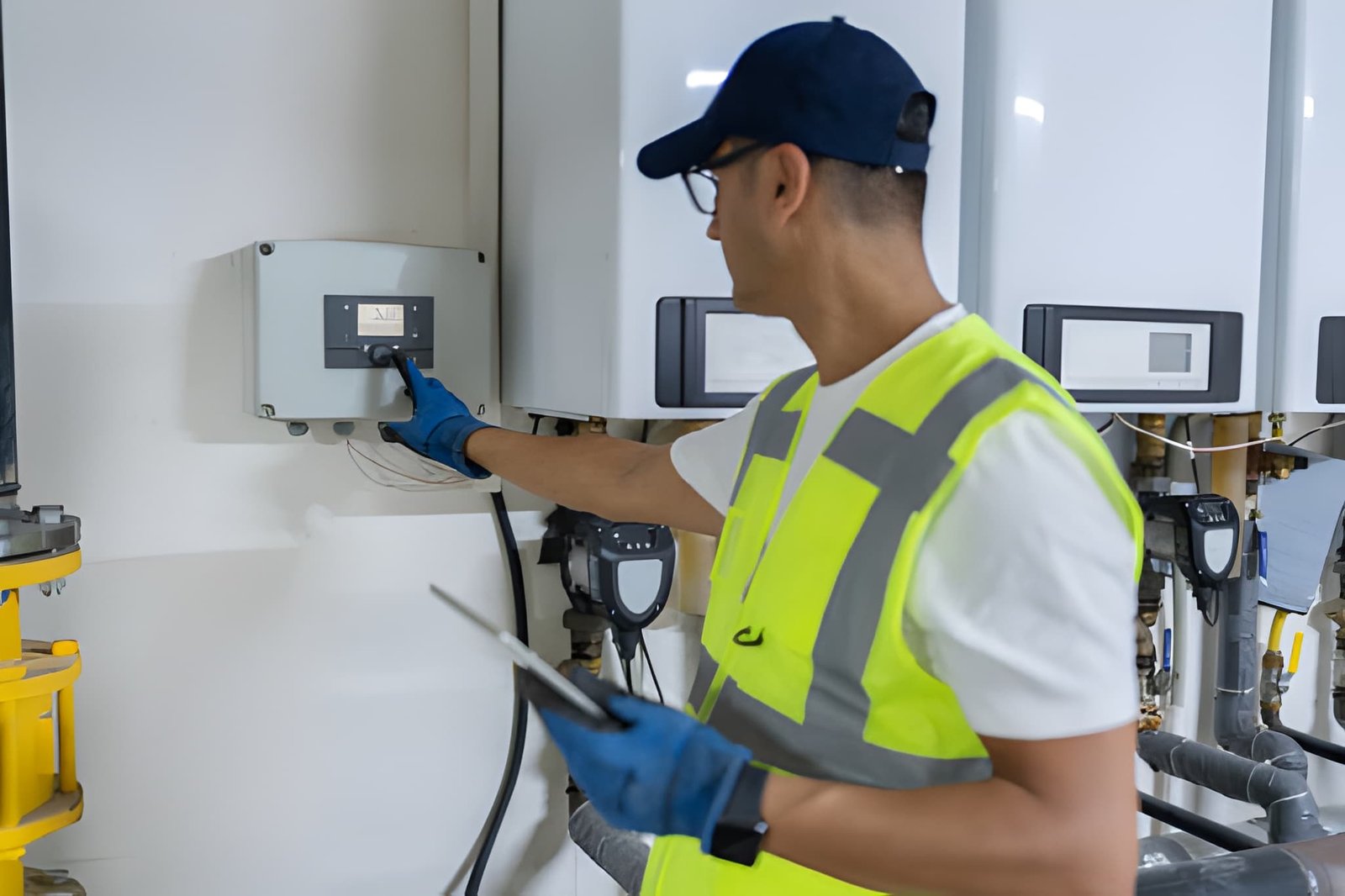
The technician checks the filter, burners, flame sensor, igniter and blower, and cleans what has built up over the year.
- Filter and blower
- Burners and flame sensor
- Igniter and gas valve
- Electrical connections
Step 2
Test and Measure
Safety controls are tested, the heat exchanger is inspected and combustion and carbon monoxide readings are checked while the furnace runs.
- Safety controls tested
- Heat exchanger inspection
- Venting and drain checked
- Carbon monoxide reading
Step 3
Report and Plan
You hear what was found, what is worn and what to watch. Anything that needs repair comes with an estimate, and nothing is done without your approval.
- Findings explained
- Estimate for any repair
- Filter and care tips
What a Tune-Up Often Catches
A Dirty Flame Sensor
A coated sensor is a common reason a furnace lights and then shuts off. Cleaning it is a small job when found early.
A Clogged Filter
A blocked filter restricts airflow, strains the blower and can trip the high-limit switch.
A Worn Igniter
Igniters weaken with use. Replacing one on a mild day beats waiting for it to fail on a cold night.
Loose Electrical Connections
Vibration loosens terminals over time, which can cause intermittent shutdowns that are hard to trace later.
A Blocked Vent or Drain
Debris, nests or ice can block venting, and a clogged condensate drain can shut a high-efficiency furnace down.
Early Heat Exchanger Wear
Cracks and corrosion are easier to spot during a scheduled inspection than during an emergency.
What Affects the Cost
Every home and every problem is different, so a fair price comes after a look, not before. These are the things that move the estimate, and you get one before any work starts.
Type of Furnace
High-efficiency furnaces have extra parts to check, such as the condensate drain.
Condition When We Arrive
A clean, well-kept furnace takes less time than one that has not been serviced for years.
Repairs That Turn Up
If a worn part is found, you get an estimate before it is replaced.
Accessibility
Tight or cluttered furnace rooms take longer to work in.
Other Services You May Need
Furnace Repair
No heat, weak heat, noises and short cycling, diagnosed before anything is replaced.
Learn moreFurnace Installation
Replacing an aging or failed furnace: sizing, efficiency options, venting and startup.
Learn moreIndoor Air Quality
Dry winter air, dust and stale rooms: humidifiers, filters and ventilation.
Learn moreFurnace Tune-Up in Your Neighborhood
Czech Village
Historic district along the Cedar River with older homes and older heating systems.
HVAC service in Czech VillageNewBo
New Bohemia, the arts and dining district along the Cedar River, with older brick buildings and converted lofts.
HVAC service in NewBoKenwood Park
An established Cedar Rapids residential neighborhood.
HVAC service in Kenwood ParkSoutheast Cedar Rapids
A large residential area with a mix of home ages and heating systems.
HVAC service in Southeast Cedar RapidsFurnace Tune-Up Questions
How often should a furnace be serviced?
Once a year, ideally in early fall before the heating season starts.
Is a tune-up really necessary if the furnace works?
A furnace can run for years with a small problem that is quietly making it less efficient or less safe. A yearly check catches those problems early.
What does a tune-up include?
Cleaning and inspecting the burners, flame sensor, igniter, blower and filter, testing safety controls, checking venting and the heat exchanger, and measuring carbon monoxide.
Will maintenance affect my warranty?
Many manufacturer warranties expect regular maintenance. Check your warranty paperwork and keep service records.
What can I do between tune-ups?
Check the filter monthly during heating season and replace it when dirty, keep vents and returns clear, and test your carbon monoxide alarms.
Furnace Tune-Up in Cedar Rapids
Call, describe the problem, and get a technician headed your way.
Call (319) 364-4626