Comfort & Air
Indoor Air Quality in Cedar Rapids
Heating season dries out the air. Dust, stuffy rooms and static shocks are common, and most have a practical fix.
- Estimate before work starts
- Explained in plain terms
- Cedar Rapids homes
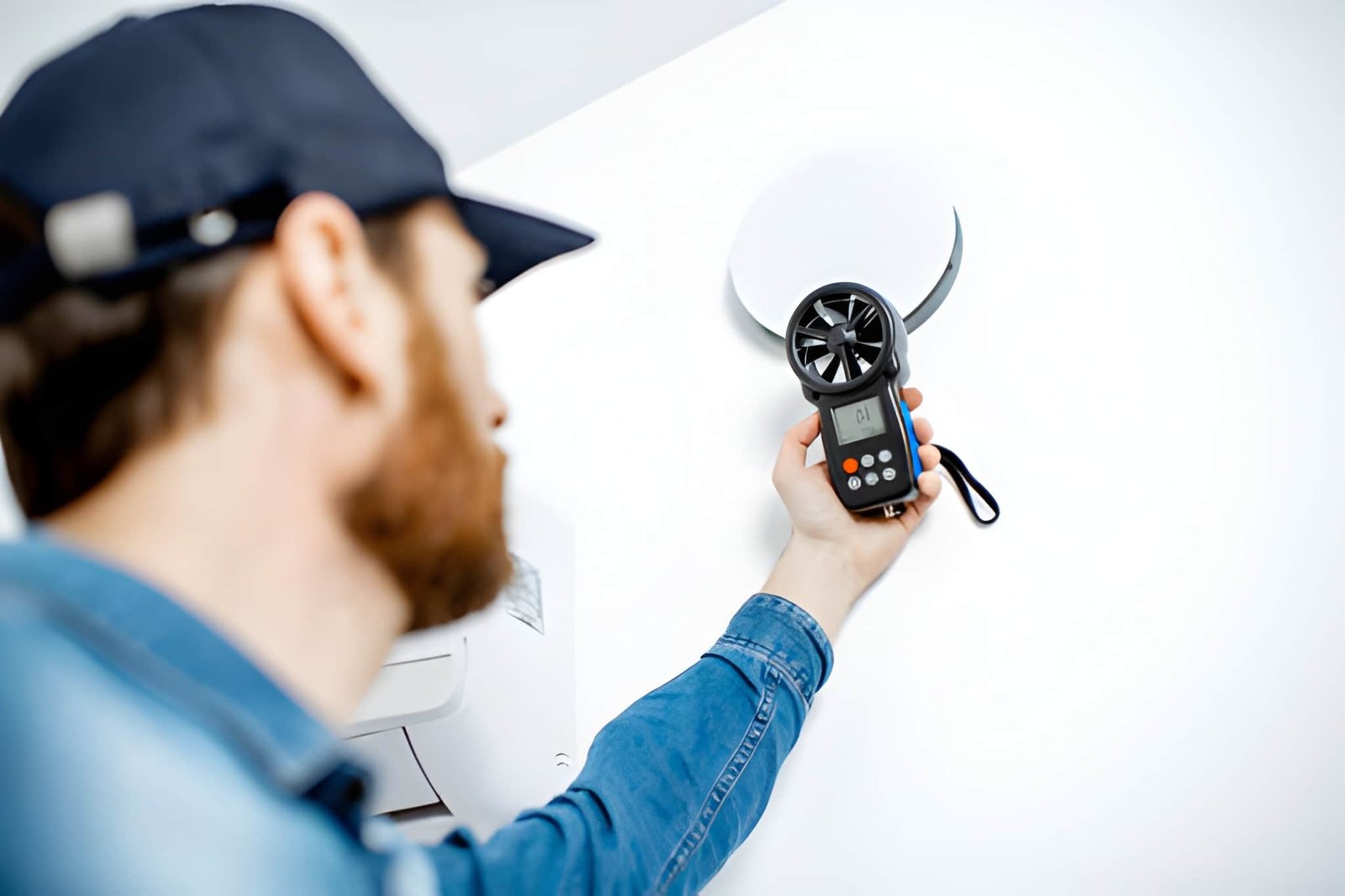
When to Call for Indoor Air Quality
Common signs that the air in the home could use attention:
Call (319) 364-4626How a Indoor Air Quality Call Works
Step 1
Measure and Look
The technician checks indoor humidity, the filter, the ductwork and ventilation, and asks what you notice in the home.
- Humidity reading
- Filter and ductwork
- Ventilation
- Your symptoms and rooms
Step 2
Options and Estimate
You get plain choices: a whole-home humidifier, a better filter that suits your system, or added ventilation, each with an estimate and honest limits.
- Whole-home humidifier
- Filter upgrade
- Ventilation options
- Written estimate
Step 3
Install and Explain
Equipment is installed, tested and set, and you get a short care plan so filters and pads are replaced when they should be.
- Equipment installed and tested
- Settings explained
- Replacement schedule
Common Indoor Air Complaints
Dry Air and Static Shocks
Cold outdoor air holds little moisture, and heating makes indoor air drier still. Dry skin, static and cracked wood are common.
Dust That Returns Quickly
A filter that is dirty or too thin, or leaky ducts, can leave dust circulating.
Stuffy Rooms
Tightly sealed homes can feel stale without enough fresh air exchange.
Condensation on Windows
Too much humidity in cold weather shows up as moisture on the glass and can lead to mold.
Lingering Odors
Smells that do not clear can come from the drain pan, ducts or a space that needs ventilating.
Allergy-season Discomfort
Filtration can reduce airborne particles, but it works alongside cleaning and source control, not as a cure.
What Affects the Cost
Every home and every problem is different, so a fair price comes after a look, not before. These are the things that move the estimate, and you get one before any work starts.
Type of Equipment
A whole-home humidifier, an upgraded filter cabinet and a ventilator are priced very differently.
Compatibility with Your System
Equipment has to suit your furnace and ductwork to work properly.
Installation Complexity
Water, drain and electrical connections change the scope.
Ongoing Upkeep
Filters and humidifier pads are replaced regularly, which is part of the cost of ownership.
Other Services You May Need
Furnace Tune-Up
A yearly check of burners, sensors, airflow and safety controls before heating season.
Learn moreDuctwork Repair
Leaky, disconnected or uninsulated ducts that waste heat and leave rooms uncomfortable.
Learn moreThermostat Installation
Replacing or upgrading a thermostat, with wiring and compatibility checked first.
Learn moreIndoor Air Quality in Your Neighborhood
Czech Village
Historic district along the Cedar River with older homes and older heating systems.
HVAC service in Czech VillageNewBo
New Bohemia, the arts and dining district along the Cedar River, with older brick buildings and converted lofts.
HVAC service in NewBoKenwood Park
An established Cedar Rapids residential neighborhood.
HVAC service in Kenwood ParkSoutheast Cedar Rapids
A large residential area with a mix of home ages and heating systems.
HVAC service in Southeast Cedar RapidsIndoor Air Quality Questions
What humidity level should a home have?
The EPA suggests keeping indoor humidity between 30 and 50 percent. In very cold weather it may need to be lower to avoid condensation on windows.
Does a higher-rated filter always help?
A higher MERV filter catches smaller particles, but a filter that is too dense for the system restricts airflow and strains the blower. It has to match the equipment.
Do whole-home humidifiers need maintenance?
Yes. The water panel or pad typically needs changing each season, and the unit needs checking so it does not run dry or over-humidify.
Is an air purifier the same as a filter?
No. A furnace filter protects the equipment and catches some particles; a purifier is an add-on designed to clean the air further.
Does this replace carbon monoxide safety?
No. Carbon monoxide alarms on every level of the home are a separate and essential safety measure.
Indoor Air Quality in Cedar Rapids
Call, describe the problem, and get a technician headed your way.
Call (319) 364-4626